Brick Repair
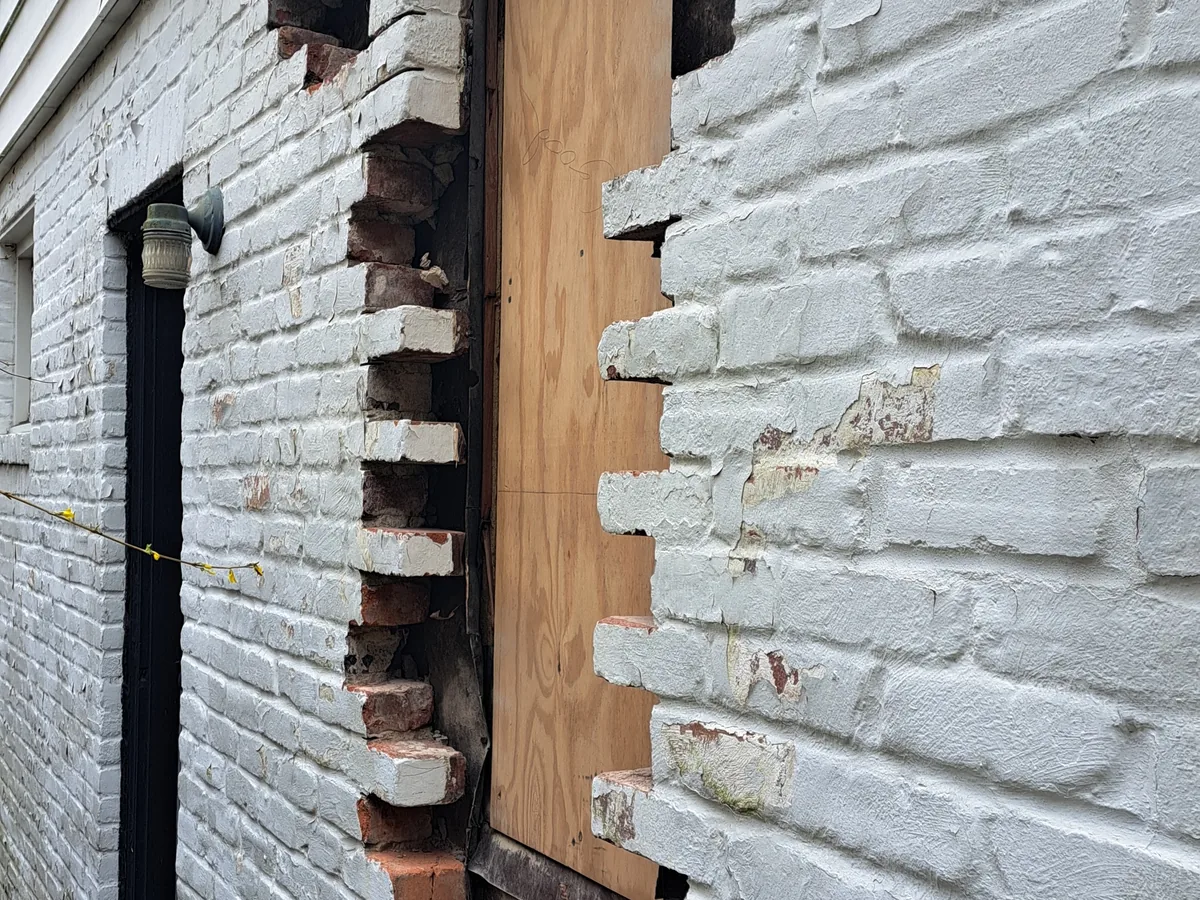
Brick repair on houses, garages and small commercial buildings around Pittsburgh. We cut out spalled, cracked and loose brick, set matching brick in its place, and rebuild wall sections, piers and steps.
Learn More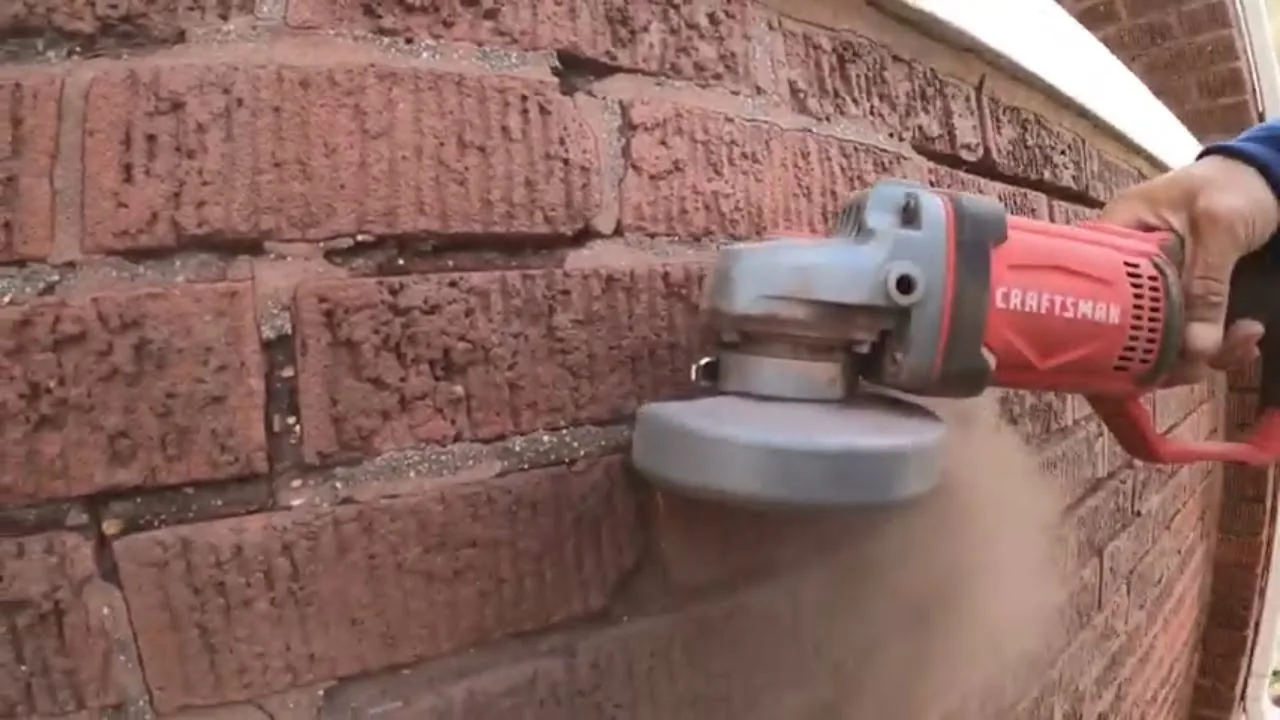
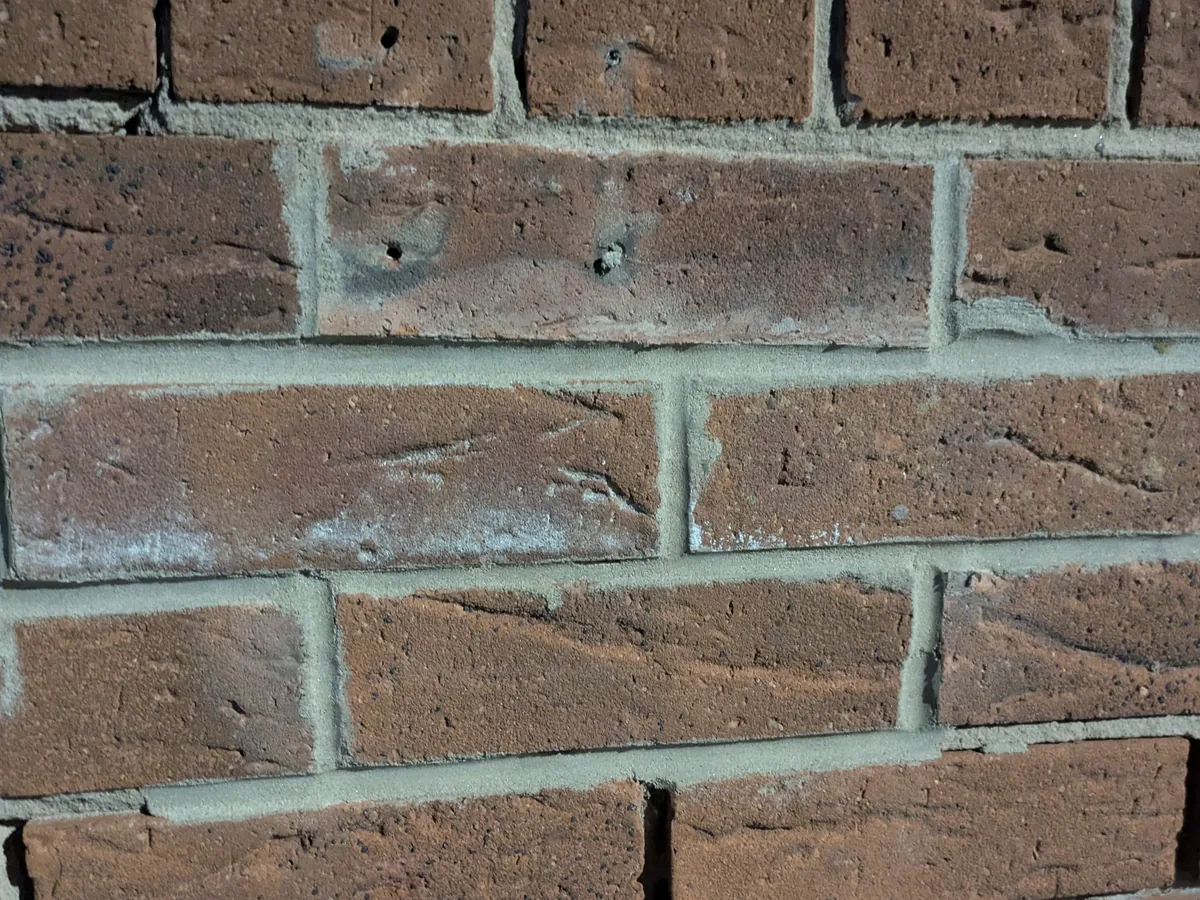
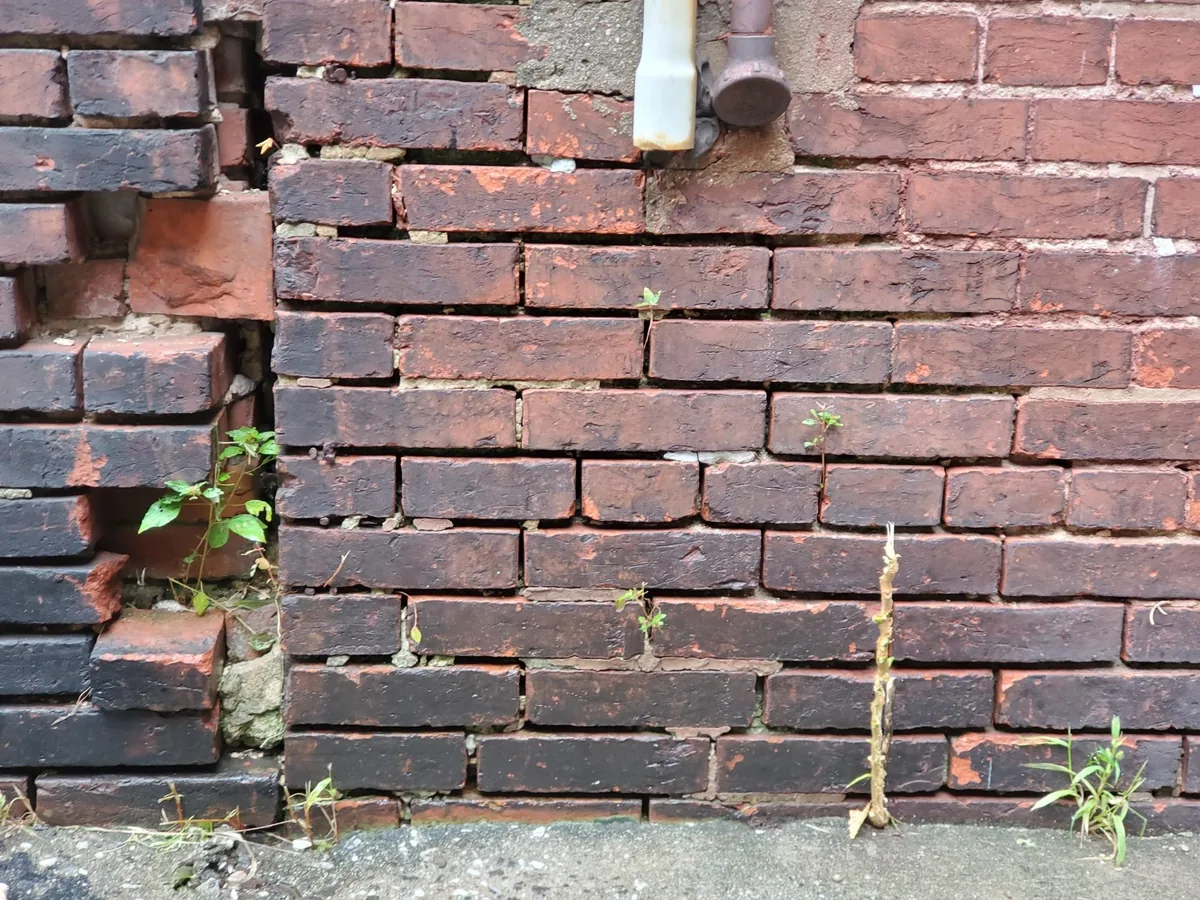
Brick pointing is the repair for mortar joints that have crumbled, cracked or washed out. The mortar is the soft part of a brick wall, and it wears out long before the brick does. Once the joints open up, water gets into the wall. We cut the failed mortar out and pack the joints with new mortar that matches the wall.
Brick pointing is the masonry work we do most. Repointing and tuckpointing are other names for the same job. We point house walls, garage walls, chimneys and interior brick. It sits with the rest of our masonry work, from Pittsburgh out about 40 miles. When the brick itself is cracked, spalled or loose, that is brick repair, and it gets done with the pointing.
Tell us about the job. We will call or text you back.
Look for mortar that is crumbling or falling out from between the bricks. Cracked joints, loose brick and joints worn back from the face of the wall are signs too. Inside, damp walls and cracked plaster can trace back to open mortar joints.
Pittsburgh has one of the oldest housing stocks of any big American city. Brick houses, rowhouses, chimneys and porch walls here have stood through a lot of winters. Water is the hardest thing on old masonry. It soaks into an open joint, freezes, and pushes the joint a little wider each time.
Pointing on its own will not fix a wall that is wet for some other reason. A leaking gutter or downspout, or water wicking up from the ground, has to be dealt with first. If a wall is cracked because the building is settling, a structural engineer should look first.
Old mortar comes out to two to two and a half times the width of the joint. On most brick joints that is about a half inch to an inch deep. A shallow scratch and a skim of mortar gives the new work nothing to grip, so it pops back out.
Hand chisels and a hammer do the least harm to old brick, so tight joints get cut by hand. A grinder can be run along wide horizontal joints, which is common on early 1900s buildings. Grinders stay out of the vertical joints, where a blade can slip and cut into the brick.
The joints get rinsed out and left damp before any new mortar goes in. Mortar is packed in about a quarter inch at a time, and each layer sets up before the next one. When the last layer is thumb-print hard, the joint is tooled to match the joints around it.
New mortar has to be softer than the brick and it has to breathe. Federal preservation guidance puts it plainly: mortar should be softer and more permeable than the brick around it. Walls move, and the mortar is the part that is supposed to give.
Hard Portland cement mortar is the common mistake on older brick. Mortar stronger than the brick will not give, so the stress moves into the brick instead. Faces crack and spall off, and that damage cannot be pointed back out.
Sand is the biggest part of a mortar mix, and it sets the color and the texture. Matching the sand is most of matching the wall, and the joint profile does the rest. Stone and block foundation walls get pointed and parged the same way, which is foundation repair and waterproofing work. We leave the wall and the ground under it clean when the pointing is done.
We look at the job and give you a price before any work starts, across Pittsburgh, the South Hills, the eastern suburbs and about 40 miles around.
(412) 720-1866From the first call to a clean site at the end, here is how it goes.
Call or text (412) 720-1866, or send the form. Tell us what is coming down and where it sits.
We come out and go over what is being removed, what it is built of and the access. You get a price before any work starts.
We go over what your municipality requires and who handles each step. Utility shutoffs, One Call marking and any asbestos survey happen before demolition starts.
The teardown or the masonry repair gets done. We keep you posted during the job and handle added scope as it comes up.
Construction and demolition debris is loaded out and hauled away. On a teardown the lot can be graded, topsoiled and seeded.
Common questions about brick pointing across Pittsburgh, the South Hills, the eastern suburbs and about 40 miles around. If yours is not here, call and ask.
Brick repair on houses, garages and small commercial buildings around Pittsburgh. We cut out spalled, cracked and loose brick, set matching brick in its place, and rebuild wall sections, piers and steps.
Learn More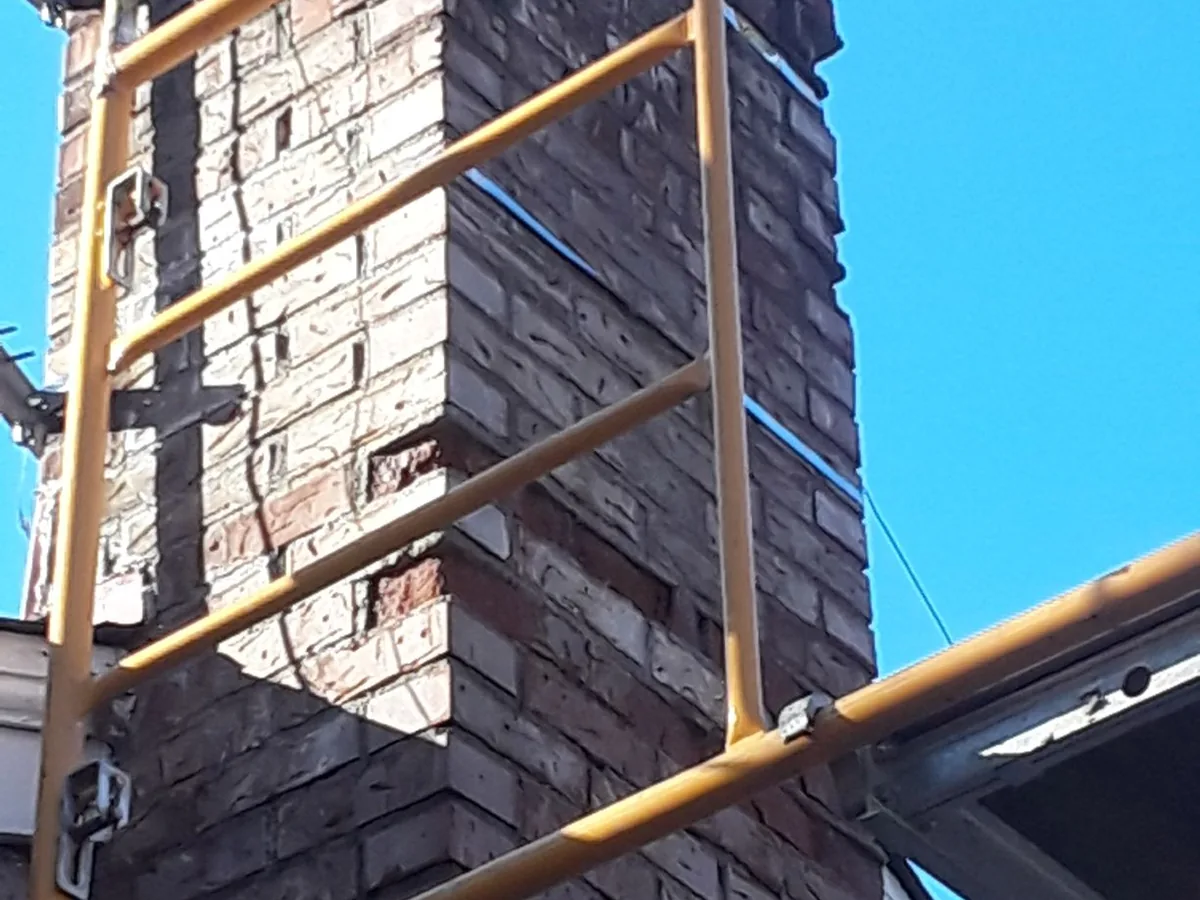
We do the masonry side of chimney work: repointing, rebuilds from the roofline up, new crowns and chimney removal. Sweeping, liners and flue inspections stay with a certified chimney sweep.
Learn More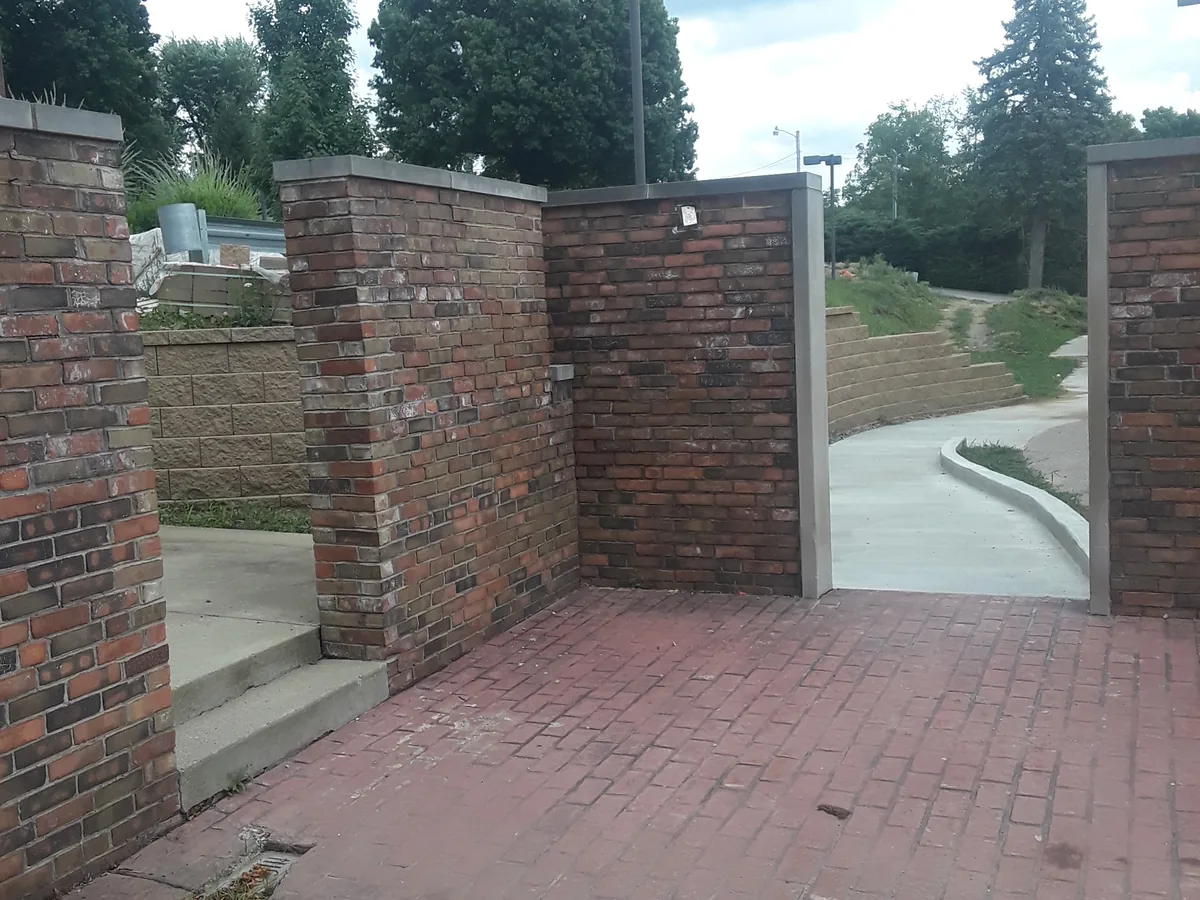
We do brick, block and stone work across Pittsburgh and about 40 miles around. Brick pointing and brick repair are the core, along with chimneys, stucco, retaining walls, small concrete work and foundation walls.
Learn MoreDemolition is the main line of work at Davis Demolition and Masonry. Houses, garages, sheds, interior gut outs, concrete and commercial interiors are the everyday jobs.
We hold the City of Pittsburgh general contractor license the city requires for demolition permits. We are an EPA Lead-Safe Certified Firm and a registered Pennsylvania home improvement contractor.
A building background sits behind the demolition work. On an interior job that decides what comes out and what gets left standing.
A failed wall or chimney can come down and go back up with the same company. Debris leaves with us, and the site is left clean at the end.
Tell us what is coming down, what it is built of and where it sits. Call or text (412) 720-1866, or send the form with what you need taken down.
Tell us about the job. We will call or text you back.